
Best Places To Invest In Real Estate In The Philippines (2026 Investor Guide)
Approximately Reading Time: 6 minutes

Explore the best places to invest in real estate in the Philippines in 2026, with insights on tourism driven markets, key investment factors, and emerging opportunities.
Table of Contents
Why the Philippines Is Gaining Attention from Real Estate Investors
Key Factors Investors Should Consider in 2026
Tourism and Visitor Demand
Infrastructure and Accessibility
Commercial Use and Hospitality Positioning
Local Development Direction
Best Places to Invest in Real Estate in the Philippines in 2026
1. Siargao
2. Cebu
3. Metro Manila
4. Batangas
5. Palawan
Why Tourism Led Markets Are Becoming More Relevant
Considerations When Evaluating Real Estate Opportunities in the Philippines
How To Choose The Right Location For Real Estate Investment in 2026
FAQs
How do tourism trends influence real estate opportunities?
Are hospitality focused developments different from traditional real estate projects?
Why are emerging destinations gaining attention from investors?
What role does accessibility play in choosing a real estate location?
What should investors keep in mind when exploring opportunities in tourism driven markets?
Learn More About Hospitality Focused Development Concepts This 2026
Why the Philippines Is Gaining Attention from Real Estate Investors
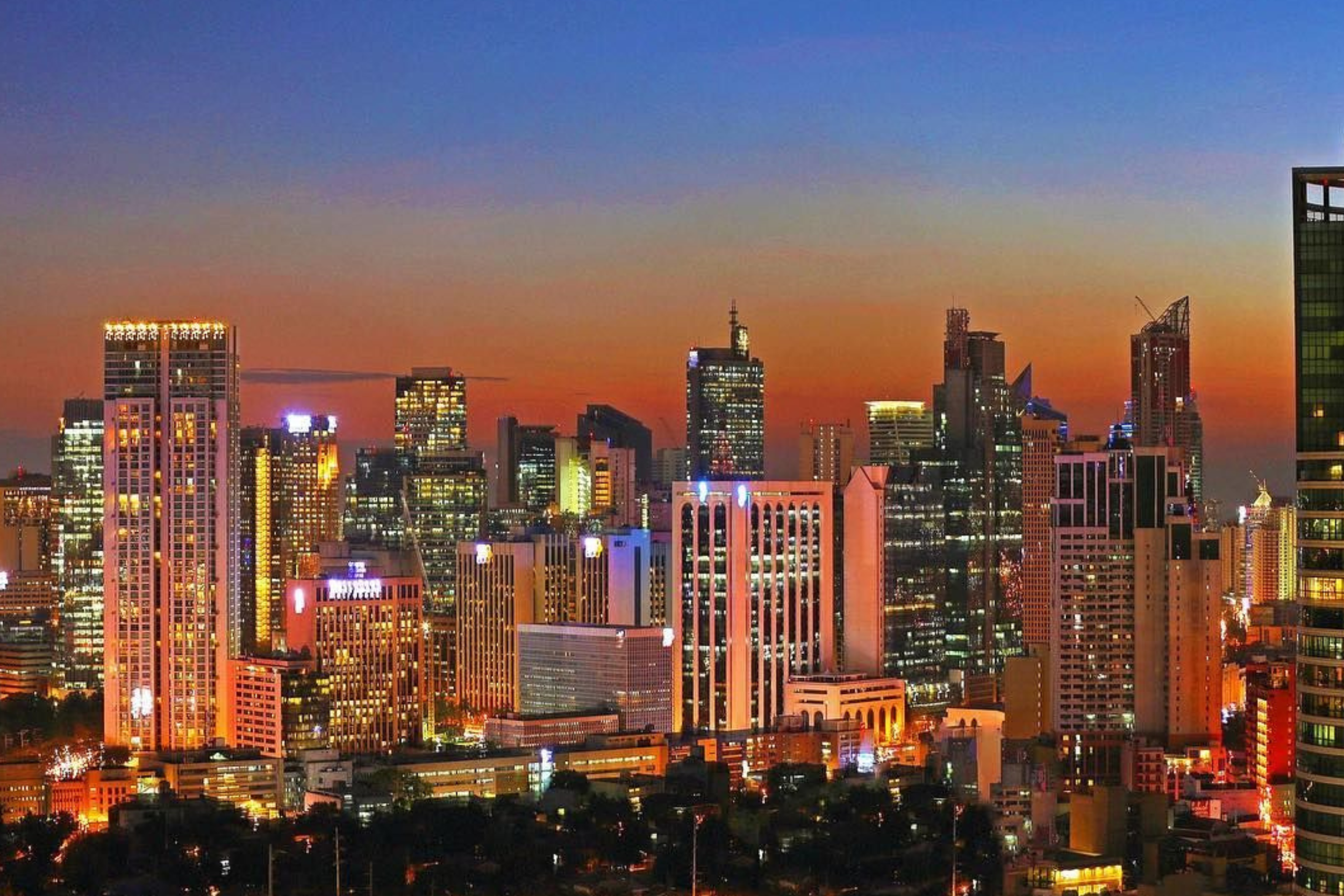
Condominiums in BGC, Philippines
If you have been exploring emerging markets in Southeast Asia, the Philippines is likely starting to appear more often in discussions around the best places to invest in real estate in the Philippines. The country is gradually being recognized as a market of interest, shaped by several overlapping trends.
Some of the key factors contributing to this growing attention include:
Steady economic direction: The Philippines continues to show signs of activity across sectors such as infrastructure, services, and tourism, contributing to a more diverse real estate environment.
Tourism recovery and visibility: Several destinations are becoming more visible to international and regional visitors, which may influence interest in hospitality related developments and guest use properties.
Improving infrastructure and accessibility: Ongoing developments in airports, roads, and transport networks are helping connect major cities to emerging destinations, making certain areas more accessible.
Emerging regional markets: Locations outside traditional urban centers are gaining attention, particularly for hospitality focused accommodation and commercial villa units for short term stays.
Shift toward structured development models: Many projects are being approached as villa development concepts, positioned within planned environments rather than standalone residential offerings.
These villa developments are designed as hospitality focused commercial assets, not residential housing. As these trends continue to evolve, the Philippines is gradually becoming an option that investors are exploring with a more research driven and long term perspective.
Key Factors Investors Should Consider in 2026

Modern contemporary villa development concept featuring open glass architecture, a private pool, and landscaped surroundings
When you start looking deeper into the Philippines’ real estate investment in 2026, it becomes clear that location alone is not the only factor to consider. A more thoughtful approach involves looking at several indicators together, rather than relying on a single trend.
If you are exploring the best places to invest in real estate in the Philippines, it helps to step back and ask what is actually driving activity in each location. In many cases, it comes down to a mix of tourism movement, accessibility, commercial positioning, and local development direction.
Below are some of the key factors that can help guide a more research driven evaluation:
Tourism and Visitor Demand
Tourism continues to play a visible role in shaping real estate activity, especially in destinations that are seeing steady visitor interest. While trends may vary from one location to another, areas with consistent tourism movement are often gaining attention from investors exploring hospitality related opportunities.
This is particularly relevant for real estate investment hotspots in the Philippines, where demand is often linked to short term accommodation and guest use properties. Rather than focusing on assumptions, it is useful to observe how visitor patterns evolve over time and how they may influence overall market activity.
Infrastructure and Accessibility
Accessibility remains an important consideration when evaluating any location. Transport connections such as airports, road networks, and inter island access can influence how easily a destination can be reached.
Ongoing infrastructure improvements may contribute to increased visibility for certain areas, especially those that were previously less connected. As these developments continue, some locations are becoming more practical to access, which can shape how they are viewed within the broader investment landscape.
Commercial Use and Hospitality Positioning
One of the most important distinctions to understand is the difference between residential and commercial real estate. In tourism driven markets, many developments are positioned for operational use rather than personal use.
This is where hospitality focused accommodation, guest use properties, and commercial villa units for short term stays come into focus. These formats are designed to function within the tourism sector, often supported by management and operational frameworks.
In this context, villa development concepts are increasingly being structured as part of a broader hospitality model. These villa developments are designed as hospitality focused commercial assets, not residential housing.
Local Development Direction
Another factor to consider is how an area is being shaped by both public and private sector activity. Government plans, zoning regulations, and infrastructure initiatives can all play a role in guiding how a location evolves over time.
At the same time, private developments may contribute to the overall direction of a destination, particularly in areas that are still in earlier stages of growth. While outcomes can vary, these elements may influence how a market develops and how it is perceived by investors.
As you evaluate different locations, looking at these factors together can provide a clearer picture of how each area is developing. This approach allows for a more balanced understanding of opportunities within the Philippines real estate investment 2026 landscape.
Want to explore how hospitality focused developments are being structured in emerging destinations like Siargao?
Best Places to Invest in Real Estate in the Philippines in 2026

A modern villa development concept featuring open architecture, a private pool, and tropical landscaping.
When exploring the best places to invest in real estate in the Philippines, it is important to understand that each location offers a different context. Some areas are shaped by business activity, while others are influenced by tourism, infrastructure, or regional development. Rather than viewing these locations as direct comparisons, it is more useful to look at how each one aligns with a specific investment approach.
Across the country, several destinations are gaining attention from investors. These areas are being observed for their evolving market activity, accessibility, and positioning within tourism and commercial development.
1. Siargao
If you have been following discussions around real estate investment hotspots Philippines, Siargao is likely a destination you have come across more frequently. Over the past few years, the island has gradually shifted from being known primarily for its surf culture into a destination that is drawing wider attention for tourism and development.
What makes Siargao particularly interesting is how its growth is being shaped. Unlike more established urban centers, development here is still evolving, which means many projects are being approached with long term planning in mind. This has opened the door for villa development concepts that are designed to align with the island’s natural setting while also responding to increasing visitor interest.
Tourism continues to play a central role in this shift. As more travelers explore Siargao, there is a growing need for structured accommodation options that go beyond traditional formats. This is where hospitality focused accommodation and commercial villa units for short term stays are becoming more relevant within the local landscape.
At the same time, infrastructure improvements and increased accessibility are gradually supporting this development. While the island remains relatively laid back in its character, these changes may contribute to how it continues to evolve as a tourism driven destination.
It is also important to understand how projects in Siargao are being positioned. Many developments are not intended as residential properties, but rather as part of a broader hospitality framework. These villa developments are designed as hospitality focused commercial assets, not residential housing. This distinction plays a key role in how they are structured and how they fit into the overall market.
As Siargao continues to gain visibility, it is becoming an attractive option for investors who are exploring destinations shaped by tourism, environment, and carefully planned development. While outcomes can vary, the island is increasingly being considered within conversations about emerging markets in Southeast Asia.
Curious how hospitality focused developments in Siargao are being structured within this growing market?
2. Cebu
As you continue exploring the best places to invest in real estate in the Philippines, Cebu often comes up as a location that offers a balance between urban activity and tourism movement. It is one of the few destinations where commercial growth and visitor demand exist side by side, creating a more diversified environment.
Cebu’s strength lies in its connectivity. With an international airport, established transport networks, and access to nearby islands, the region continues to attract both business and tourism activity. This level of accessibility may contribute to its steady visibility among investors who are looking at long term opportunities.
In addition, Cebu has a well established commercial landscape. From business districts to tourism areas, the market continues to evolve through both public and private sector developments. For investors observing Philippines real estate investment 2026, Cebu presents a setting where different sectors interact, offering a broader perspective on market activity.
3. Metro Manila
Metro Manila remains the country’s primary business hub and continues to play a central role in the overall real estate landscape. When looking at real estate investment hotspots in the Philippines, this region is often included due to its concentration of commercial activity and population density.
The demand here is largely driven by business operations, corporate presence, and urban infrastructure. Ongoing developments such as transport systems, road expansions, and mixed use commercial projects continue to shape the city’s direction.
While Metro Manila differs from tourism driven destinations, it remains relevant for investors who are focused on urban commercial demand. Its scale and complexity make it a unique part of the broader market, offering a different type of exposure compared to emerging locations.
4. Batangas
If you are looking just outside Metro Manila, Batangas is a destination that is gradually gaining attention. Its proximity to the capital makes it accessible, while still offering a different environment that is often associated with leisure and tourism activity.
Over time, Batangas has seen increasing interest in developments that support short term stays and hospitality related use. This includes guest use properties and hospitality focused accommodation that align with weekend travel and regional tourism patterns.
As infrastructure continues to improve and connectivity becomes more efficient, Batangas may continue to evolve as a complementary destination to Metro Manila. For investors, it presents an option that sits between urban access and tourism potential.
5. Palawan
Palawan is widely recognized for its natural environment and international tourism appeal. In recent years, it has also been gaining attention from investors who are observing how development is being approached in more environmentally sensitive destinations.
Rather than rapid expansion, Palawan is often associated with more carefully planned projects that aim to align with its surroundings. This has created space for villa development concepts that are designed with both tourism use and environmental considerations in mind.
Tourism remains a key driver in this region, influencing the demand for commercial villa units for short term stays and other forms of hospitality focused accommodation. As a result, Palawan continues to be part of conversations around emerging destinations within the Philippines real estate investment 2026 landscape.
Why Tourism Led Markets Are Becoming More Relevant

A modern open concept villa interior featuring lounge seating, large glass windows, and direct views of a private pool and tropical garden
More investors are beginning to pay attention to destinations shaped by tourism activity, not just traditional business centers. This shift is not happening overnight, but tourism driven locations are gradually becoming part of the conversation when discussing the best places to invest in real estate in the Philippines. The reason often comes down to how visitor demand interacts with real estate development.
In many of these destinations, real estate is no longer viewed only through a residential lens. Instead, it is being approached as part of a broader hospitality ecosystem, where properties are designed to support guest use and short term accommodation.
Some of the factors contributing to this growing relevance include:
Consistent visitor movement in key destinations: Locations with steady tourism activity are gaining attention from investors who are observing how demand for accommodation continues to evolve over time.
Changing development formats: There is a noticeable shift toward commercial villa units for short term stays and other forms of hospitality focused accommodation, which are structured to align with tourism demand rather than residential use.
Emergence of new investment locations: Areas that were previously less explored are now being considered as real estate investment hotspots in the Philippines, particularly those with natural attractions and improving accessibility.
Integration of operations and property use: Many developments are being planned with operational models in mind, where property management and guest services are part of the overall structure.
Growing interest in structured development approaches: Projects are increasingly introduced as villa development concepts, designed within a broader framework rather than as standalone units.
It is also important to understand the positioning of these developments. These villa developments are designed as hospitality focused commercial assets, not residential housing. This distinction shapes how they are planned, managed, and integrated into the local market.
As tourism patterns continue to evolve, destinations that can support this type of development may continue gaining attention from investors. While each location has its own characteristics, tourism led markets are becoming an area that many are starting to explore with a more research driven perspective.
Want to take a closer look at how hospitality focused villa development concepts are being introduced in destinations like Siargao?
Considerations When Evaluating Real Estate Opportunities in the Philippines

An aerial view of a pristine sandbar surrounded by turquoise waters and small boats.
As you explore real estate investment in the Philippines, it becomes clear that choosing a location is only one part of the process. A more informed approach often involves looking closely at how each opportunity is structured, managed, and positioned within the market.
If you are reviewing the best places to invest in real estate in the Philippines, taking the time to evaluate key details can help you better understand how a project fits into a broader investment strategy. Rather than focusing on assumptions, it is useful to approach each opportunity with a careful and research driven mindset.
Here are some important considerations to keep in mind:
Legal structures and ownership frameworks: Understanding how a project is structured is essential. This may include land ownership arrangements, corporate structures, and compliance with local regulations. These elements can influence how a development is positioned and operated over time.
Developer track record and project approach: Looking into the background of the developer can provide insight into how projects are planned and delivered. Experience in managing hospitality focused accommodation and guest use properties may be relevant, especially in tourism driven locations.
Operational model and management: In many real estate investment hotspots Philippines, developments are designed with an operational component in mind. This includes property management, guest services, and day to day operations, particularly for commercial villa units for short term stays.
Market research and location context: Observing local market activity, tourism patterns, and infrastructure developments can help provide a clearer picture of how a destination is evolving. This allows for a more balanced understanding of potential opportunities.
Development positioning and long term direction: Many projects today are introduced as villa development concepts, which are part of a larger plan rather than standalone units. These villa developments are designed as hospitality focused commercial assets, not residential housing. This distinction is important when evaluating how they function within the market.
Taking these factors into account does not guarantee outcomes, but it can support a more structured way of evaluating opportunities. As the market continues to evolve, a careful approach may help investors navigate different options with greater clarity.
Want to better understand how hospitality focused villa development concepts are structured in emerging destinations?
How To Choose The Right Location For Real Estate Investment in 2026

The Capri by Dolce Development Group A modern tropical courtyard featuring a private pool, outdoor seating area, and landscaped surroundings
At this point, you have seen how different locations across the country offer different contexts. The next step is understanding how to compare them in a way that aligns with your own investment approach.
When exploring the best places to invest in real estate in the Philippines, it is not about finding a single “best” location. Instead, it is about identifying which destination fits the type of opportunity you are looking to explore within the Philippines real estate investment 2026 landscape.
A more structured way to approach this is by looking at a few key considerations side by side:
Tourism demand and market activity: Ask yourself how active the destination is in terms of visitor movement. Locations with consistent tourism activity are often gaining attention from investors, especially for hospitality focused accommodation and commercial villa units for short term stays.
Accessibility and infrastructure: Consider how easy it is to reach the location. Airports, road networks, and transport connections can influence how a destination develops over time and how it is positioned within the broader market.
Stage of development: Some areas are already established, while others are still emerging. Early stage destinations may present different types of opportunities compared to more developed urban centers.
Commercial positioning of developments: It is important to understand how projects are structured. Many opportunities today are introduced as villa development concepts, designed to function within a hospitality framework rather than as residential properties.
Long term direction of the area: Look at how the destination is evolving through infrastructure, tourism growth, and private developments. These factors may contribute to how the market develops over time.
As you go through this process, the goal is not to predict outcomes, but to build a clearer understanding of how each location fits within your overall strategy. Taking a balanced and research driven approach can help you navigate the different options available.
It is also worth keeping in mind that these villa developments are designed as hospitality focused commercial assets, not residential housing. This distinction plays a key role in how locations are evaluated and how opportunities are structured.
FAQs
How do tourism trends influence real estate opportunities?
Tourism trends may shape demand for accommodation, especially in destinations with steady visitor activity. This can influence how developments are positioned, particularly for hospitality focused accommodation and guest use properties.
Are hospitality focused developments different from traditional real estate projects?
Yes, these developments are structured for operational use within the tourism sector rather than for residential purposes. They are typically designed as part of a broader hospitality framework that includes management and guest services.
Why are emerging destinations gaining attention from investors?
Emerging destinations are gaining attention due to improving infrastructure, increasing tourism activity, and ongoing regional development. These factors may contribute to how new opportunities are being explored in different parts of the country.
What role does accessibility play in choosing a real estate location?
Accessibility can influence how easily a destination can be reached through airports, roads, and transport connections. Locations with improving access may become more visible to investors evaluating long term potential.
What should investors keep in mind when exploring opportunities in tourism driven markets?
It is important to understand how developments are structured, particularly those designed for hospitality use. Investors may also consider tourism patterns, operational models, and the overall direction of the location before making decisions.
Learn More About Hospitality Focused Development Concepts This 2026
As you explore the Philippines real estate investment 2026 landscape, one thing becomes clearer over time. The way developments are being introduced is evolving, especially in destinations shaped by tourism and regional growth.
In places like Siargao, projects are increasingly being approached through carefully planned villa development concepts. These are not positioned as residential properties, but as part of a broader hospitality framework that supports guest use properties and commercial villa units for short term stays.
This approach allows developments to align more closely with tourism activity, operational models, and long term destination planning. It also reflects how certain locations are becoming an attractive option for investors who are looking at opportunities within tourism led markets.
These villa developments are designed as hospitality focused commercial assets, not residential housing. Understanding this distinction can help provide better clarity on how these projects are structured and how they fit into the wider market.
As conversations around the best places to invest in real estate in the Philippines continue to evolve, having access to the right insights can make a difference in how opportunities are evaluated.
Want to take a closer look at how hospitality focused developments are being structured in destinations like Siargao?
