
The Shift From Condos To Villas: How Philippine Real Estate Investment Is Evolving
Approximately Reading Time: 5 minutes
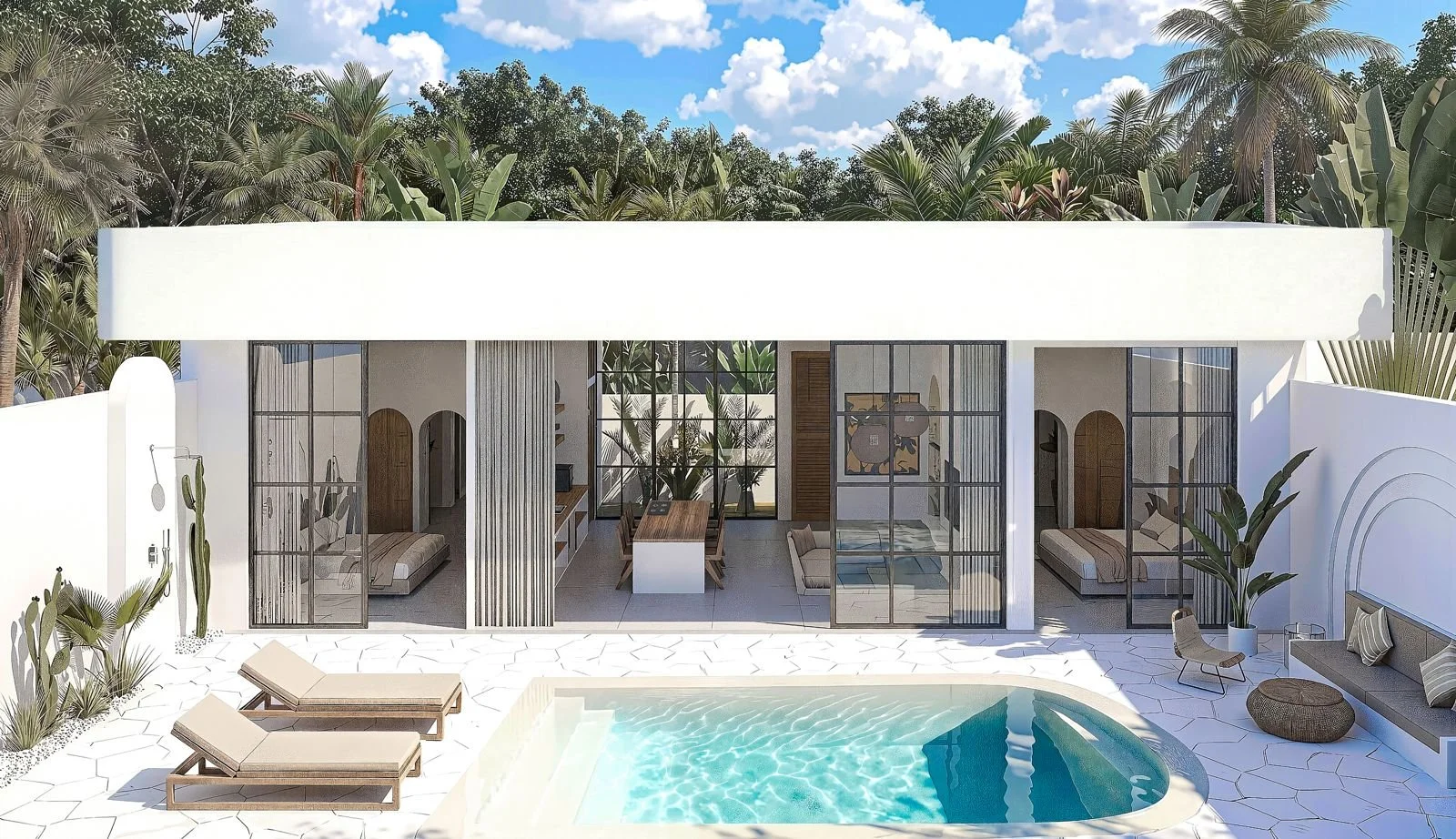
Explore how real estate investment in the Philippines is evolving as investors compare condo and villa development concepts, with growing interest in hospitality focused assets.
Table of Contents
Why Condos Became a Familiar Investment Option in the Philippines
Why Villas Investments in the Philippines Are Gaining Attention
How Investor Preferences Are Changing
From Familiar Assets to More Diversified Opportunities
Greater Attention to Tourism Linked Markets
More Focus on Asset Use and Positioning
Demand for Differentiated Property Concepts
Condos vs Villas: What Investors Should Consider
Location And Market Demand
Use Case And Property Positioning
Operations And Management
Income Potential And Market Exposure
Investment Timeline And Capital Structure
Risk Profile And Long Term Fit
What This Condos To Villas Shift Means For The Philippine Real Estate Market
Understanding the Structure Behind Villa Development Concepts
FAQs
What Is The Difference Between Hospitality Focused Properties And Traditional Real Estate Investments In The Philippines?
How Does Tourism Influence Property Investment Decisions?
What Should Investors Evaluate Before Considering A Villa Development Concept?
How Important Is Property Management In Villa Investment In The Philippines?
Why Condos Became a Familiar Investment Option in the Philippines
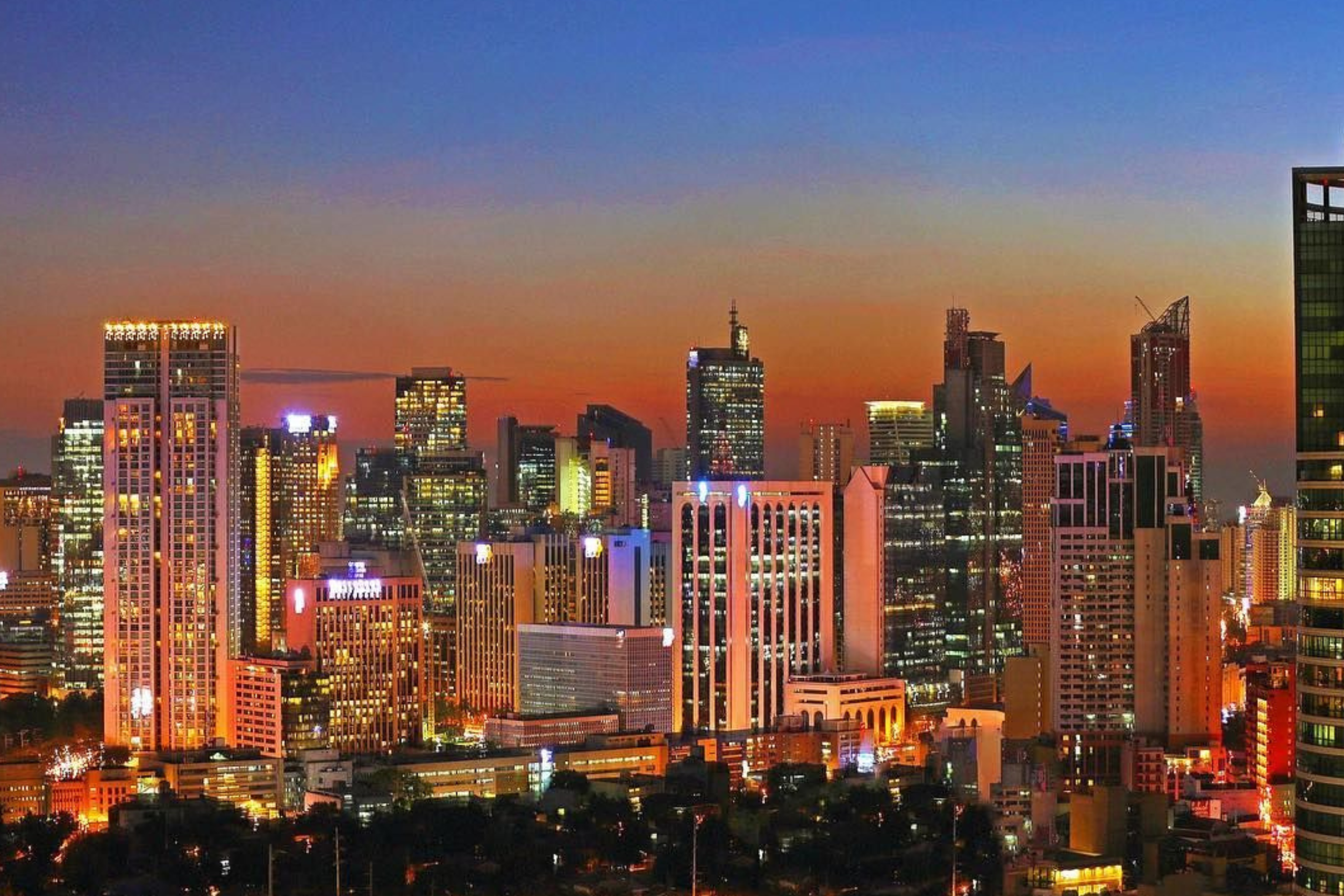
Condominiums in BGC, Philippines
For many investors, condominium units have served as a familiar starting point in the Philippine property market. Over the years, major cities such as Metro Manila, Cebu, and Davao have seen steady development activity, making condominiums more accessible to individuals exploring real estate investment in the Philippines.
Part of this familiarity comes from how condominiums are structured. With established developers, defined project timelines, and phased payment arrangements, many investors found it easier to understand how these developments fit into their overall investment plans. In a market where clarity and structure matter, this played an important role in shaping early investment decisions.
City based demand has also contributed to the steady interest in condominiums. Business districts, commercial centers, and growing urban populations have supported rental activity, which many investors consider when evaluating condo investment in the Philippines. Over time, this created a recognizable pattern where condominiums became closely associated with urban rental demand and long term value positioning.
At the same time, the Philippine real estate market has continued to evolve. While condominiums remain relevant, investor attention is gradually expanding as more property formats and development concepts enter the conversation. This shift is not about replacing one asset type with another, but about understanding how different opportunities can serve different roles within a broader investment strategy.
Why Villas Investments in the Philippines Are Gaining Attention
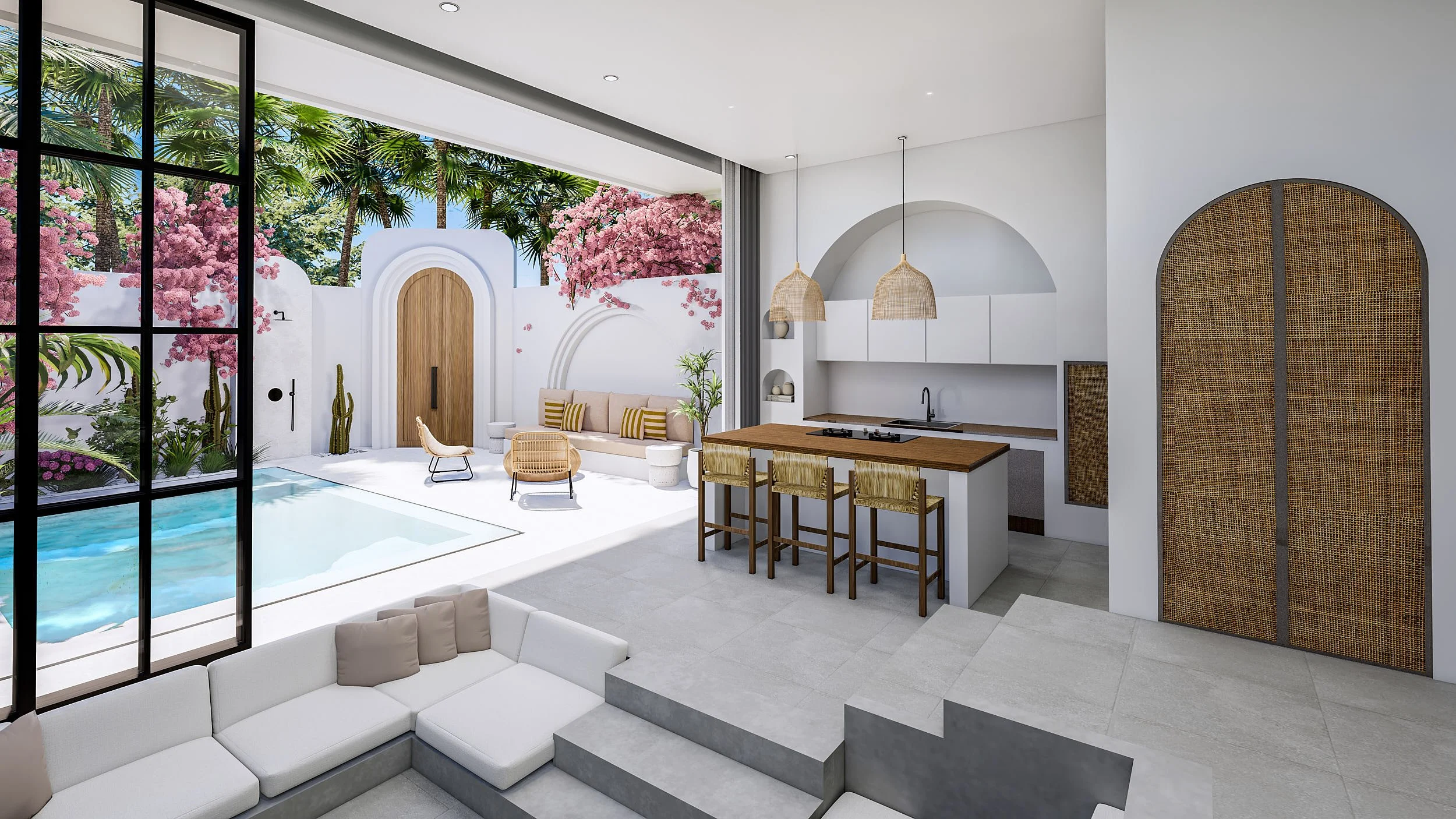
A contemporary tropical villa interior with open layout, natural materials, and pool access - The Capri from Dolce development on Siargao.
As the Philippine real estate market continues to evolve, some investors are beginning to look beyond traditional property formats and explore alternative development concepts. One category that is gradually gaining attention is villa development, particularly when positioned within a hospitality context.
Villa development concepts are gaining attention among investors looking at hospitality focused accommodation models. Unlike conventional property formats, these are not positioned as personal homes or residential housing. Instead, they are designed to function as commercial assets, aligned with guest demand and short term accommodation use. These villa developments are designed as hospitality focused commercial assets, not residential housing.
For those exploring real estate investment in the Philippines, this shift introduces a different way of evaluating opportunities. Rather than focusing only on ownership, there is increasing attention on how an asset is used, how it operates, and how it fits within a broader tourism driven market.
Some of the factors that are contributing to this growing interest include:
Hospitality focused use: Villa development concepts are often structured as guest use properties or commercial villa units for short term stays, rather than traditional residential formats.
Connection to tourism driven locations: These developments are commonly positioned in destinations where visitor activity plays a role in shaping demand for accommodation.
More differentiated property formats: Compared to more familiar asset types, villas may offer a different approach in terms of design, layout, and overall market positioning.
Operational structure and management: Hospitality focused accommodation involves ongoing operations such as guest coordination, maintenance, and service standards, which can influence how the asset is experienced and managed.
At the same time, these development concepts are not defined by location alone. Design, operational structure, and overall market positioning all play a role in how a project is understood over time. For some investors, villa investment in the Philippines may offer exposure to a different segment of the market, particularly those evaluating guest focused accommodation models.
This growing attention does not suggest a complete shift away from other property types. Instead, it reflects a broader expansion of options within the Philippine real estate market. As villa development concepts become part of the conversation, investors are beginning to compare how each asset type aligns with their goals, preferred markets, and long term investment approach.
Curious how villa development concepts are structured within tourism driven destinations?
How Investor Preferences Are Changing

A surfer in Siargao navigating ocean waves near a coastal rock formation
When looking at different destinations, the focus is often less on choosing one over the other and more on understanding how each market has evolved over time, particularly within the context of tourism and hospitality development.
Some locations have already progressed through multiple stages of growth, while others remain in earlier phases where changes are more gradual and less defined.
In Southeast Asia, Bali and Siargao are often viewed through this perspective.
Market Maturity and Entry Costs
Bali has, over the years, developed into one of the region’s more established hospitality destinations. Its growth has been shaped by consistent international tourism, a wide range of accommodation offerings, and a well-recognized global presence.
With that level of maturity, pricing across land, construction, and completed hospitality assets has gradually adjusted to sustained demand. This creates a more structured environment, where development parameters and entry points are generally well defined.
Siargao, by comparison, is still shaping its position within this landscape.
Pricing in certain areas may appear relatively accessible, often reflecting its earlier stage of development. As infrastructure improves and tourism activity continues to grow, the way hospitality-focused developments are positioned and valued may also evolve over time.
Market Competition and Rental Supply Trends
In Bali, the supply of villas and other hospitality accommodations has expanded alongside its long-standing popularity.
Across many areas, this has resulted in a wide range of options for guests, where performance is often influenced by branding, location, service quality, and operational structure.
Siargao presents a different environment.
While visitor numbers continue to increase, the number of professionally developed commercial villa units for short-term stays remains relatively limited, particularly those designed with a clear hospitality-focused approach. This is especially noticeable in areas like General Luna, where tourism and commercial activity are more concentrated.
As a result, the market remains in a stage where accommodation supply and guest demand are still aligning.
Market Direction and Development Trends
Established destinations tend to move within more predictable patterns.
In Bali, development continues within a framework shaped by years of tourism growth and established hospitality infrastructure. While changes still occur, they are often introduced within a more defined system.
In Siargao, development is still taking form.
Tourism demand continues to evolve, and infrastructure improvements are introduced progressively. Over time, these changes influence how the destination is experienced and how hospitality developments are positioned within the broader market.
Different Investment Approaches Across Market Types
Because these markets are at different stages, the way they are observed and approached can vary.
Some are drawn to more established environments where patterns are easier to anticipate and hospitality operations follow more consistent structures.
Others focus on destinations that are still evolving, where attention is placed on how growth unfolds, how demand develops, and how individual villa development concepts are structured within a changing landscape.
Rather than being a direct comparison, it becomes a matter of perspective, timing, and how each market is understood within its stage of development.
Looking to learn more about how villa development concepts in Siargao are structured around evolving tourism demand?
Condos vs Villas: What Investors Should Consider

A modern villa bedroom with natural finishes and large window views
As more options become available in the Philippine real estate market, investors are no longer looking at a single path. Instead, the conversation often comes down to understanding how different property types function and where they fit within a broader strategy.
Condos and villas can serve different purposes within a real estate investment Philippines approach. Rather than viewing one as better than the other, it becomes more useful to understand how each asset is structured, where it is located, and how it is intended to operate. From there, investors can begin to evaluate which direction aligns more closely with their goals, preferred market, and long term positioning.
Location And Market Demand
One of the first differences investors tend to notice is location. Condominiums are often situated in city centers, business districts, or highly urbanized areas. Demand in these locations may come from professionals, students, or business related activity.
Villa development concepts, on the other hand, are more commonly positioned in tourism driven destinations. In these areas, demand is often connected to guest accommodation and short term stays, influenced by visitor activity and the overall appeal of the location.
In the Philippine real estate market, location remains one of the most important factors when evaluating both options. For those exploring Siargao villa investment, the destination itself, accessibility, and surrounding tourism activity become key considerations in understanding demand.
Use Case And Property Positioning
Beyond location, it is also important to understand how each asset is positioned. Condos are commonly associated with city based rental use, where the focus is on long term occupancy and urban demand.
Villa development concepts follow a different approach. These villa developments are designed as hospitality focused commercial assets, not residential housing. Their intended use is aligned with guest use properties and commercial villa units for short term stays, which changes how the asset is viewed and managed.
For investors, this distinction matters. Understanding the intended use of the property helps clarify how it fits within a real estate investment in the Philippines and what kind of market it is designed to serve.
Operations And Management
Another key difference lies in how these properties are operated. Condo investment in the Philippines often involve tenant coordination, basic maintenance, and property administration within a managed building environment.
Villa development concepts introduce a more operationally involved structure. Hospitality focused accommodation may include guest coordination, housekeeping, maintenance, booking management, and service standards. These elements are part of what shapes the overall experience and ongoing performance of the asset.
Because of this, investors often take a closer look at how the project is managed. Understanding who handles day to day operations and how responsibilities are structured can provide better clarity before evaluating villa investment in the Philippines.
Income Potential And Market Exposure
When it comes to income, condos and villas are typically linked to different rental models. Condos are often associated with longer rental arrangements, which may provide more predictable occupancy patterns depending on the location.
Villa development concepts are more closely connected to short term guest accommodation, where demand may be influenced by tourism activity, seasonality, and destination trends. This creates a different type of market exposure.
Income potential can vary depending on several factors. Location, demand, pricing strategy, operations, and broader Philippine real estate market conditions all play a role. Rather than focusing on assumptions, investors often benefit from understanding how each model performs within its specific context.
Investment Timeline And Capital Structure
Another area to consider is the timeline and overall structure of the investment. Condos may be available at different stages, including pre selling, ready for occupancy, or resale, each with its own payment terms and timelines.
Villa development concepts may also follow phased timelines depending on how the project is structured. Investors are encouraged to review payment schedules, development progress, and operational readiness when comparing options.
Whether evaluating a condo investment in the Philippines or a villa development concept, understanding the timeline helps set expectations around when the asset becomes operational and how it fits into a long term plan.
Risk Profile And Long Term Fit
Every real estate asset carries its own set of considerations. Condos may be influenced by factors such as urban supply levels, rental competition, and building management policies.
Villa development concepts may be more closely affected by tourism cycles, operational requirements, and the development of the surrounding destination. These factors can shape how the asset performs over time.
Ultimately, the right fit depends on the investor’s objectives, capital capacity, and understanding of the project structure. In the Philippine real estate market, taking the time to evaluate these differences can help investors make more informed decisions when considering both condo investment Philippines and villa investment Philippines opportunities.
Still deciding which direction fits your investment strategy?
What This Condos To Villas Shift Means For The Philippine Real Estate Market
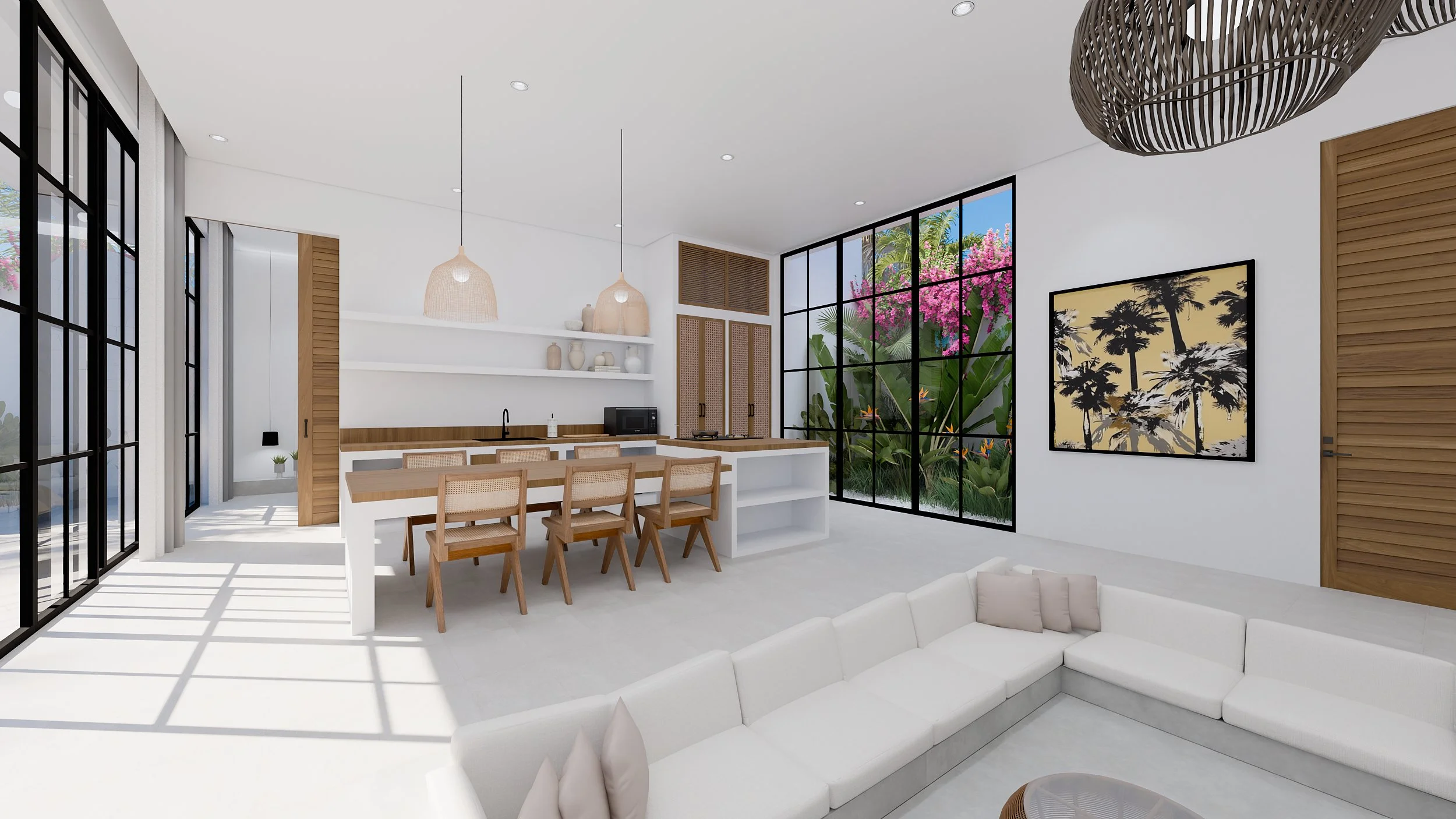
A spacious open plan villa interior with dining and lounge areas. The Capri from Dolce Development on Siargao
When you step back and look at the bigger picture, the shift from condos to villas is less about replacement and more about expansion. It reflects how the Philippine real estate market is gradually opening up to a wider range of investment opportunities.
For a long time, condo investment in the Philippines has been one of the most familiar entry points. It offered structure, accessibility, and a clear connection to urban demand. That role has not disappeared. Instead, what we are seeing now is a broader conversation taking shape, where investors are beginning to compare different asset types based on how they function and what markets they serve.
The shift from condos to villas reflects a broader evolution in how investors view real estate investment in the Philippines. Rather than focusing on a single property format, there is now more attention on diversification.
Some of the key changes shaping this shift include:
A broader range of investment options: Investors are no longer limited to a single property type. Both condo investment in the Philippines and villa investment in the Philippines are being evaluated as part of a wider strategy.
Growing interest in hospitality focused assets: Property concepts aligned with guest use properties and commercial villa units for short term stays are becoming part of the investment conversation.
More emphasis on structure and positioning: Investors are paying closer attention to how a project is designed, how it operates, and what market it is intended to serve.
A more diversified investment mindset: Rather than focusing on familiarity, investors are comparing opportunities based on location, demand, and long term positioning.
This shift also reflects a maturing market. As more development concepts become available, investors are becoming more selective in how they approach real estate investment in the Philippines.
Rather than replacing traditional property investments, villa development concepts are becoming part of a more diversified investment landscape. Condos continue to serve a role within urban markets, while villas are gradually being considered within tourism driven locations. These villa developments are designed as hospitality focused commercial assets, not residential housing, which places them in a different segment of the Philippine real estate market.
As the market continues to develop, investors may increasingly compare opportunities not only based on property type, but on how each project is structured and positioned. In that sense, the shift is not about choosing one over the other. It is about recognizing that the Philippine real estate market is evolving, and with it, the range of options available.
Want to better understand how villa development concepts fit into today’s evolving market?
Understanding the Structure Behind Villa Development Concepts

A secluded beach with clear waters, limestone cliffs, and a traditional boat
As interest in alternative property formats continues to grow, understanding how villa development concepts are structured becomes an important step for investors. At first glance, villas may appear similar to other property types, but when viewed through an investment and hospitality lens, the differences become clearer.
Villa development concepts are not designed in the same way as traditional residential formats. These villa developments are designed as hospitality focused commercial assets, not residential housing. Their purpose is aligned with guest use properties and commercial villa units for short term stays, which means they operate within a different segment of the Philippine real estate market.
For those exploring real estate investment in the Philippines, this shift in structure changes how a project is evaluated. It is no longer only about the physical property, but about how the entire development is planned and positioned. Investors often look at several key elements when assessing villa investment in the Philippines:
Location and destination context: The surrounding area, accessibility, and level of tourism activity can influence how the property fits within a hospitality focused environment.
Operational model and management: Since these are hospitality aligned assets, factors such as guest coordination, maintenance, and service standards play a role in how the development functions over time.
Intended use and market positioning: Understanding whether the project is designed for guest use properties or commercial villa units for short term stays helps clarify how it is positioned within the market.
Development timeline and structure: Project stages, construction progress, and overall development planning can influence how the opportunity is approached from an investment perspective.
Income model and market exposure: Rather than relying on assumptions, investors often review how the property is expected to operate within tourism driven demand and broader Philippine real estate market conditions.
For investors considering Siargao villa investment opportunities, these factors become even more relevant. The focus shifts toward how the project is structured within a destination driven market, rather than viewing it through a traditional property lens.
Developers such as Dolce Development Group reflect this broader interest in hospitality focused villa development concepts. Their approach in Siargao highlights how these projects are being positioned as part of a growing segment within the Philippine real estate market, where structure, operations, and intended use are carefully considered.
Understanding these elements allows investors to look beyond surface level comparisons and develop a clearer view of how villa development concepts function within real estate investment in the Philippines.
If you're looking to gain a clearer view of how current villa development concepts in Siargao are structured within this stage of growth.
FAQs
What Is The Difference Between Hospitality Focused Properties And Traditional Real Estate Investments In The Philippines?
Hospitality focused properties are designed around guest use and short term accommodation, while traditional real estate investments are often structured around long term occupancy. The difference lies in how the asset is positioned, operated, and aligned with market demand.
How Does Tourism Influence Property Investment Decisions?
Tourism can shape demand for accommodation, particularly in destinations with consistent visitor activity. This may influence how certain property formats, such as villa development concepts, are positioned within the Philippine real estate market.
What Should Investors Evaluate Before Considering A Villa Development Concept?
Investors often look at location, development structure, operational model, intended use, and market positioning. These factors can help provide a clearer understanding of how the asset functions over time.
How Important Is Property Management In Villa Investment In The Philippines?
Property management plays a significant role, especially for hospitality focused accommodation. It can influence how the asset is maintained, how guest use is handled, and how the overall experience.
