
Bali vs Siargao: Why Smart Investors Are Rethinking Bali in 2026
Approximate reading time: 10 minutes or less

Thinking about investing in Bali real estate? Discover why many investors are comparing Bali and Siargao in 2026 — and what the fundamentals say about long-term upside.
Table of contents
The Bali Dream Is Powerful. But Is It Still Early?
What’s Changed in Bali?
Supply Has Increased Significantly
Off-Plan Arbitrage Is Narrower
Structural Complexity for Foreign Investors
A Smarter Question: Where was Bali 20 Years Ago?
Invest in Siargao vs Bali: Understanding the Structural Differences
Siargao Is Not Bali — And That’s the Opportunity
Demand Growth Outpacing Premium Supply
Earlier Stage of Institutional Entry
Structural Advantages in the Philippines
The mismatch between supply & demand of luxury accommodations
The Psychology of “Safe” Investing
Why Siargao in 2026?
The Smart Investment: off-plan villa investment in emerging markets.
Bali Isn’t Wrong. It’s Just Different.
Before You Invest in Bali in 2026
FAQs
Is Siargao riskier than Bali?
Are returns in Siargao competitive?
Is it too early for Siargao?
Can foreigners invest in Philippine real estate?
The Bali Dream Is Powerful. But Is It Still Early?
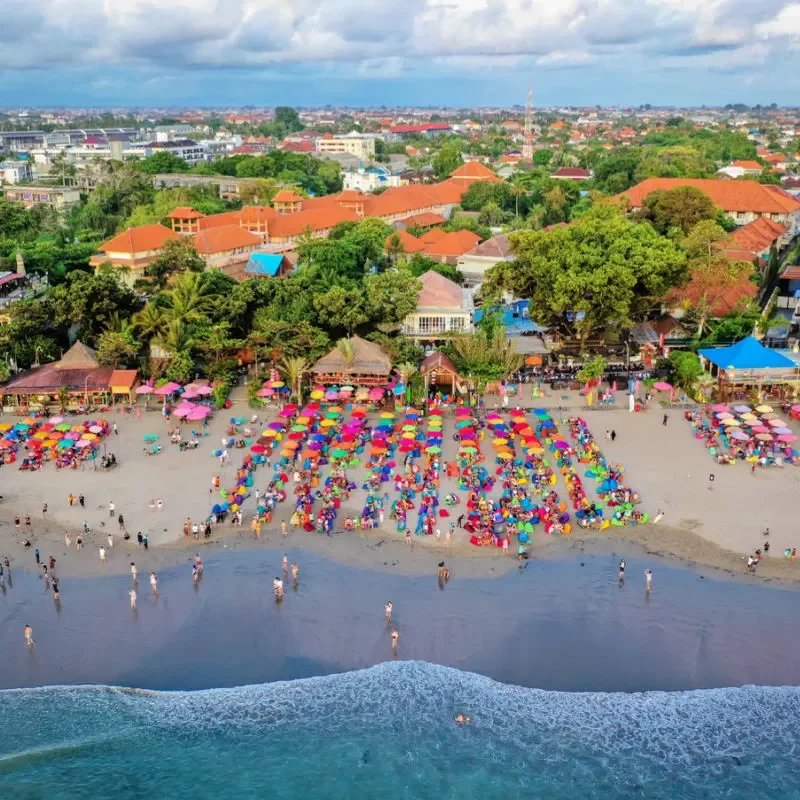
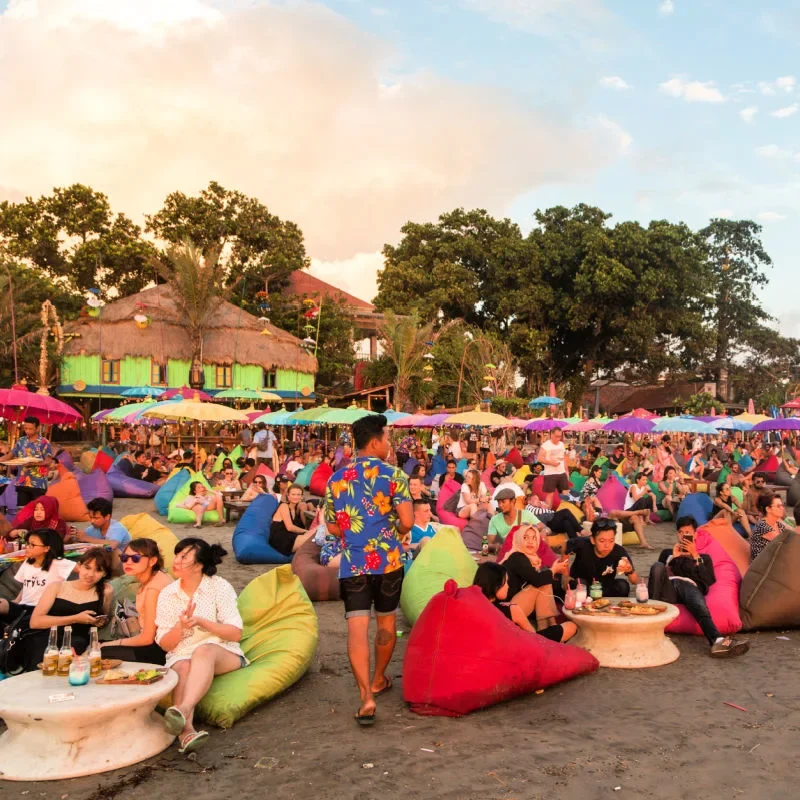
Photos credits from TheBaliSun.com
Modern tropical villas.
Strong short-term rental income.
Digital nomad demand.
Significant appreciation over the past two decades.
Bali has transformed from a niche surf destination into one of the most recognized lifestyle markets in the world. Early investors benefited enormously from entering before infrastructure, global visibility, and large-scale development accelerated.
But every market evolves.
And in 2026, the key question is not whether Bali is attractive — it clearly is. The question is whether it is still early in its growth cycle.
Because in real estate, timing often matters more than popularity.
What’s Changed in Bali?
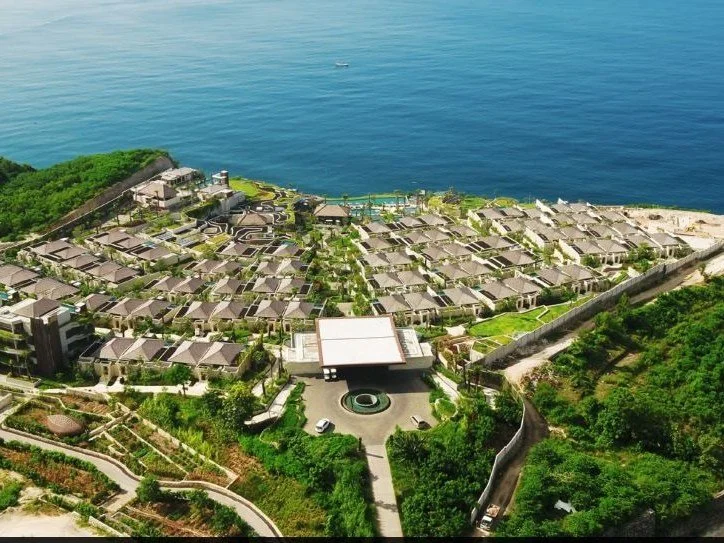
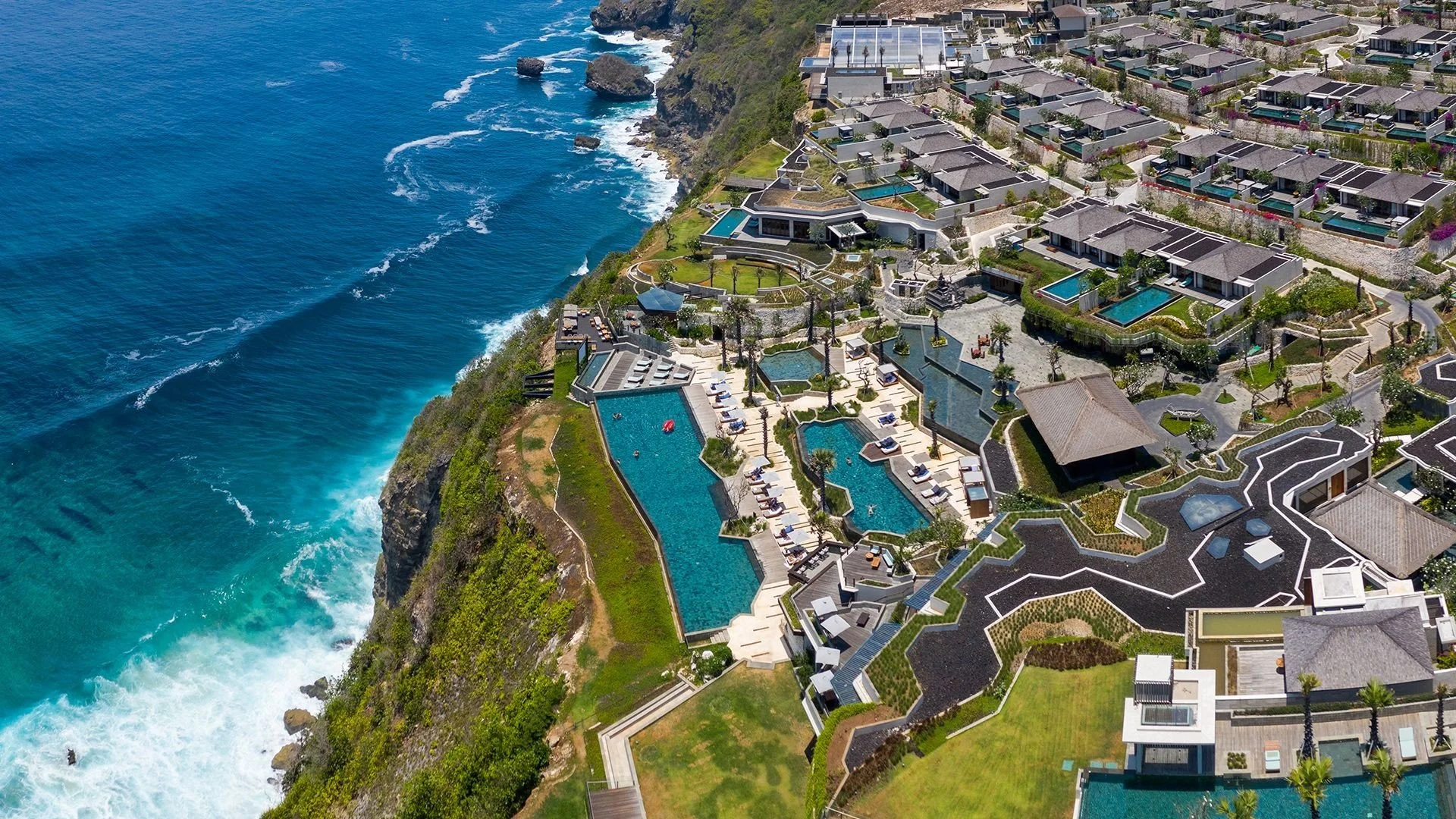
Photos credits from Six senses arial photos
1. Supply Has Increased Significantly
In areas like Canggu, Uluwatu, Pererenan, and Ubud, development has accelerated rapidly over the past five years.
More villas mean:
Increased competition in the short-term rental market
Pressure on nightly rates during shoulder seasons
Greater reliance on dynamic pricing tools
Higher marketing and operational sophistication required
This doesn’t mean Bali no longer works. It means performance now depends heavily on execution, branding, and operations — rather than simply being present in the market.
Mature markets reward experienced operators. They are less forgiving for passive investors.
2. Off-Plan Arbitrage Is Narrower
Bali popularized the off-plan villa investment model across Southeast Asia. Early buyers captured strong appreciation by entering before completion and exiting into rising demand.
Today:
Land prices are substantially higher
Construction costs have risen
Buyers are more informed
Competition at resale is stronger
The inefficiencies that created outsized gains 10–15 years ago are largely priced in.
This is a natural progression for a market that has matured.
3. Structural Complexity for Foreign Investors
Indonesia’s ownership structure requires leasehold agreements or corporate setups for foreign buyers. While workable, this adds legal structuring layers that can reduce simplicity at exit.
For sophisticated investors, this is manageable.
For long-term holders, clarity and flexibility can become increasingly important over time.
A Smarter Question: Where Was Bali 20 Years Ago?

Rather than debating whether Bali is “good” or “bad,” experienced investors often ask a different question: Where today resembles Bali before it became Bali? Aerial view of Pandawa Beach in Bali
Early-stage characteristics typically include:
Underdeveloped but improving infrastructure
Rising international tourism
Limited premium supply
Strong lifestyle identity
Affordable entry relative to mature markets
In Southeast Asia, one of the destinations increasingly entering that conversation is Siargao, Philippines.
Invest in Siargao vs Bali: Understanding the Structural Differences

Aerial view of an untouched location in Siargao island surrounded by coconut trees, white sand, showcasing the island’s raw natural beauty and peaceful landscape.
Siargao Is Not Bali — And That’s the Opportunity
Siargao is frequently described as “the next Bali.”
But serious investors look beyond comparisons. What matters is structural positioning within the growth cycle.
Siargao today sits earlier on the development curve — not speculative, but not yet saturated.
1. Demand Growth Outpacing Premium Supply
Siargao has experienced strong tourism growth driven by:
Global surf recognition
Social media visibility
Remote work trends
Infrastructure upgrades
Airport expansion plans
Yet in the mid-to-high luxury villa segment, inventory remains limited.
This creates a different supply-demand dynamic compared to Bali’s highly competitive villa market.
Scarcity — particularly in well-designed private pool villas — tends to protect pricing power.
2. Earlier Stage of Institutional Entry
Bali today hosts global developers, funds, and established operators.
Siargao remains more boutique.
That means:
Land pricing still reflects emerging-market multiples
Brand positioning can still be established early
Smaller, curated developments outperform mass construction
Entry pricing remains attractive relative to global comparables
Historically, the strongest returns are often achieved before large institutional capital arrives.
3. Structural Advantages in the Philippines
For international investors, the Philippines offers:
English as an official language
Western-aligned legal frameworks
Strong ties to U.S. and global markets
Growing tourism prioritization
Corporate ownership structures available to foreigners
Compared to leasehold-heavy systems, properly structured Philippine investments can offer longer-term clarity — particularly for investors with a 10–20 year horizon.
4. The mismatch between supply & demand of luxury accommodations
In Siargao, the accommodation landscape show low supply of luxury accommodations.
What you are more likely to find: :
Budget guesthouses
Surf hostels
A small number of ultra-luxury properties
A smaller number of hotels with premium rooms.
But there remains limited inventory in the professionally designed, mid-to-high luxury private villa category — particularly in the $200–$350 per night range.
That gap represents opportunity.
In saturated markets, premium becomes ordinary.
In emerging markets, premium still stands out.
The Psychology of “Safe” Investing
Many investors gravitate toward Bali because it feels established.
Familiar markets reduce perceived risk.
But familiarity often correlates with maturity, not early-stage upside.
Mature markets:
Require stronger operations
Deliver more compressed yields
Provide stability but less asymmetry
Emerging markets:
Carry more variability
Offer higher potential upside
Reward early positioning
The question becomes: what balance aligns with your strategy?
Why Siargao in 2026?
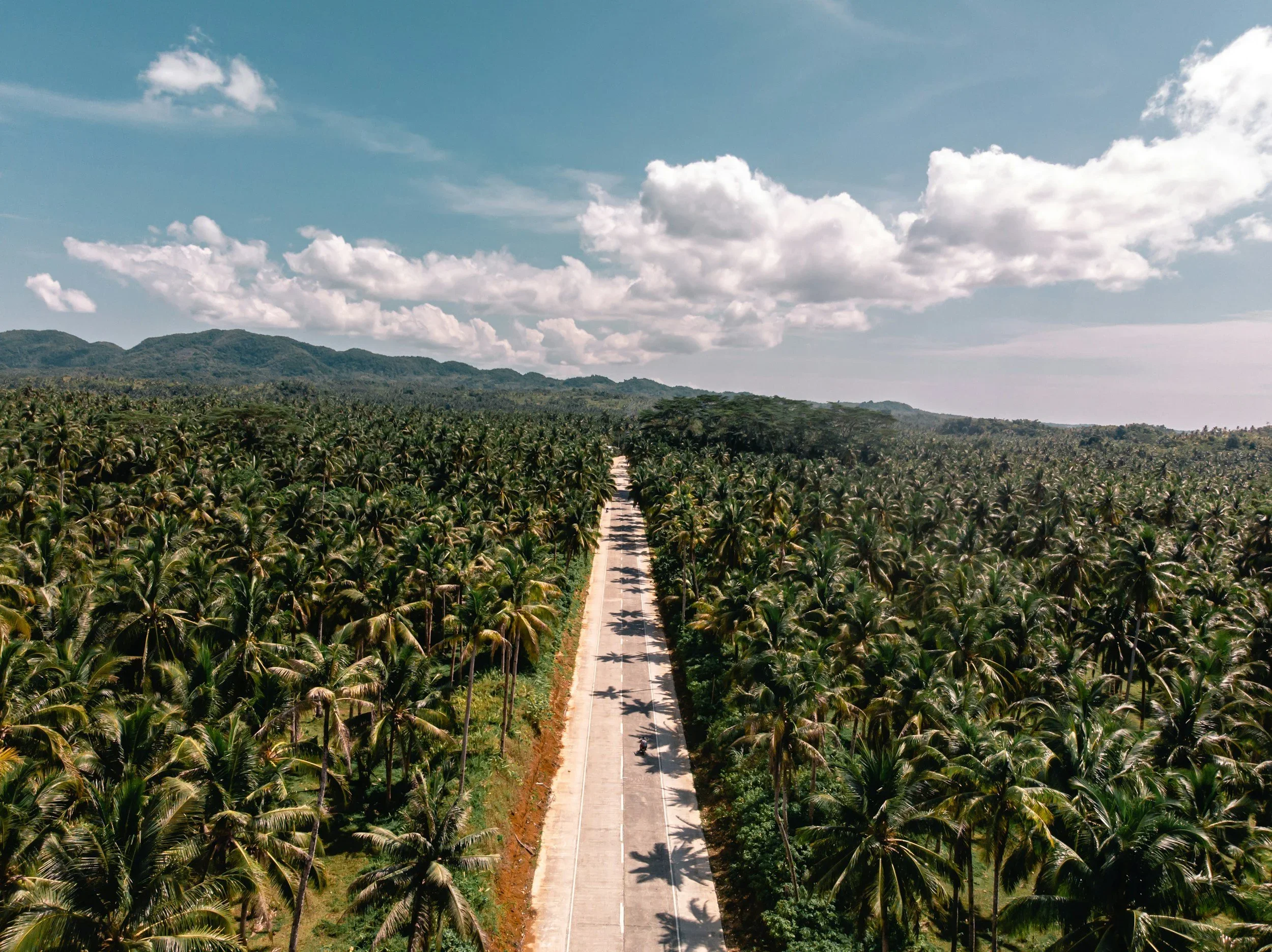
Aerial view of an untouched location in Siargao with a long road surrounded by coconut trees, showcasing the island’s raw natural beauty and peaceful landscape.
Siargao today combines:
Strong global identity (Surf Capital of the Philippines)
Natural geographic constraints limiting overdevelopment
Improving infrastructure
Growing international exposure
Limited high-end inventory
Appeal to digital entrepreneurs and long-stay travelers
Importantly, it is no longer “too early.” Infrastructure has matured significantly compared to 2015. Tourism is established. International awareness is growing.
Many investors view this phase as the transition from early to expansion stage often considered the most strategic entry window.
The smart investment: off-plan villa investment in emerging markets.

Day view at Dolce Development
The opportunity is not simply buying land.
It is investing in off-plan villas with Dolce Development Group in Siargao. The villas are designed for
Short-term rental optimization
Centralized management
International guest standards
Long-term capital appreciation
local expectations
Developers who understand what worked in Bali and apply those lessons early in emerging markets can create more favorable risk-reward profiles.
That is strategy, not speculation.
Bali Isn’t Wrong. It’s Just Different.
Bali remains one of Southeast Asia’s strongest lifestyle destinations.
But its explosive early growth phase has already occurred.
Siargao is now entering its own serious luxury development chapter.
And in real estate, entering during the right phase of the cycle often determines whether an investment performs adequately or exceptionally.
Before You Invest in Bali in 2026
Ask yourself:
Am I entering a mature market or a growth-phase market?
Is supply expanding faster than demand?
Where are institutional players positioning themselves?
Where is premium inventory still scarce?
Because the difference between a stable investment and a high-upside investment is often timing.
And in 2026, many investors comparing Invest in Siargao vs Bali are concluding that the asymmetry may favor the Philippines.
Invest in Siargao


Dolce Development Siargao Island Philippines
FAQs
Is Siargao riskier than Bali?
Emerging markets typically carry higher variability. However, entering earlier in the growth cycle can offer greater upside when projects are professionally structured.
Are returns in Siargao competitive?
In supply-constrained emerging destinations, luxury villas often deliver strong occupancy and pricing power — particularly when professionally managed.
Is it too early for Siargao?
Infrastructure, tourism growth, and global awareness suggest Siargao is now entering a defined expansion phase rather than a speculative stage.
Can foreigners invest in Philippine real estate?
Yes. Typically through corporate structures or long-term arrangements, depending on the investment setup.
